
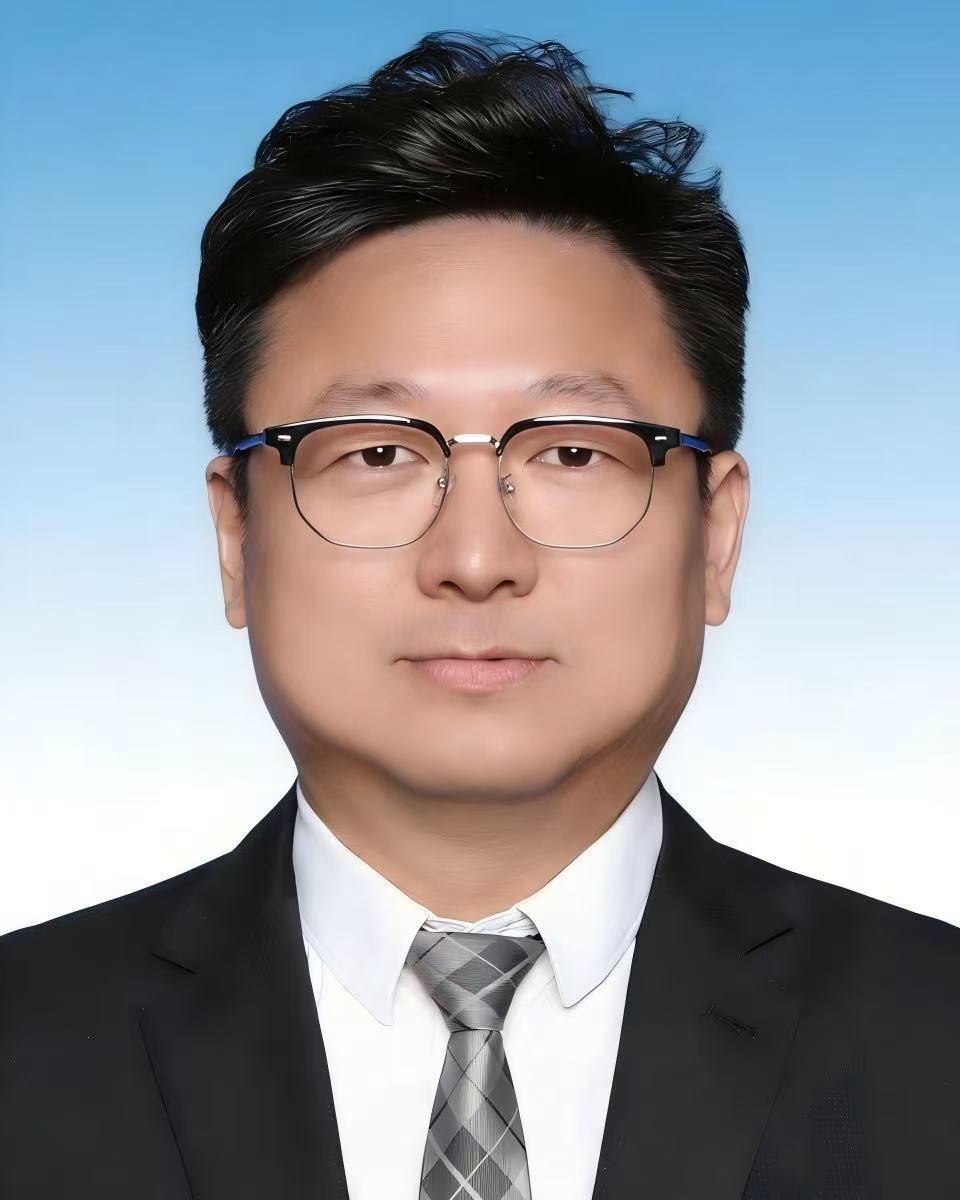
Wei She
Southeast University, China


Title:
Material and Process Integrated Design for Lunar In-Situ Construction
Abstract:
Reliable construction on the lunar surface requires approaches that differ substantially from terrestrial engineering. The lunar environment, characterized by ultra-high vacuum, large temperature fluctuations, radiation, and low gravity, strongly affects material behavior, forming processes, and structural durability. Conventional construction approaches are therefore not directly transferable and must be redesigned to incorporate in-situ resource utilization and autonomous fabrication. Here we present an integrated material-process design strategy for lunar construction, in which material formulation and manufacturing methods are developed in coordination. For flowable materials, a compatibility strategy combining UV-assisted 3D printing with a photothermal dual-curing polymer concrete is established. Rapid UV curing stabilizes the deposited filament immediately after extrusion, followed by thermal curing that strengthens the interior. This sequential mechanism enables continuous support-free printing of complex structures such as cantilevers and dome-like shells under reduced-gravity and vacuum conditions. For powder and block materials, an in-situ compaction and assembly route enables rapid infrastructure construction. Automated pressing produces gradient sandwich bricks with high regolith utilization, while a powder rolling printing process forms multilayer dense structures using minimal binder. Permanent structural elements are further achieved through low-energy sintering of regolith bricks. Flux-assisted flash sintering significantly lowers the processing temperature and time while maintaining adequate mechanical performance. Together these results establish coordinated fabrication, consolidation, and construction routes, providing a practical pathway toward scalable lunar infrastructure primarily using local materials.
Bio:
Wei She is a Young Chief Professor at Southeast University and Dean of the School of Materials Science and Engineering. He is also a recipient of the National Excellent Young Scientists Fund. His research focuses on engineering metamaterials, with the goal of transforming cement-based materials from conventional structural materials into functional and intelligent materials through microstructural design and interface engineering. His work has achieved cross-disciplinary breakthroughs in mechanics, acoustics, optics, and thermodynamics. He has published more than 150 research papers as first or corresponding author in leading international journals, including Science Advances, Advanced Materials, Chemical Reviews, and Cement and Concrete Research. His research has received several prestigious awards, including the First Prize in Basic Research from the China Building Materials Federation (2024) and the Special Commendation Gold Medal at the Geneva International Exhibition of Inventions (2021). He has also been repeatedly listed among Stanford University’s “Top 2% of Global Scientists.” His research outcomes have been applied in more than 20 major national infrastructure projects, including high-speed railways, hydropower stations, tunnels, bridges, and energy-efficient buildings, with key achievements featured by CCTV and Xinhua Daily.